Interaction design
/
Physical-digital
SK-II Tokyo Olympics Pop-up
Designing an intuitive, multi-step mixed reality journey in a physical space
Overview
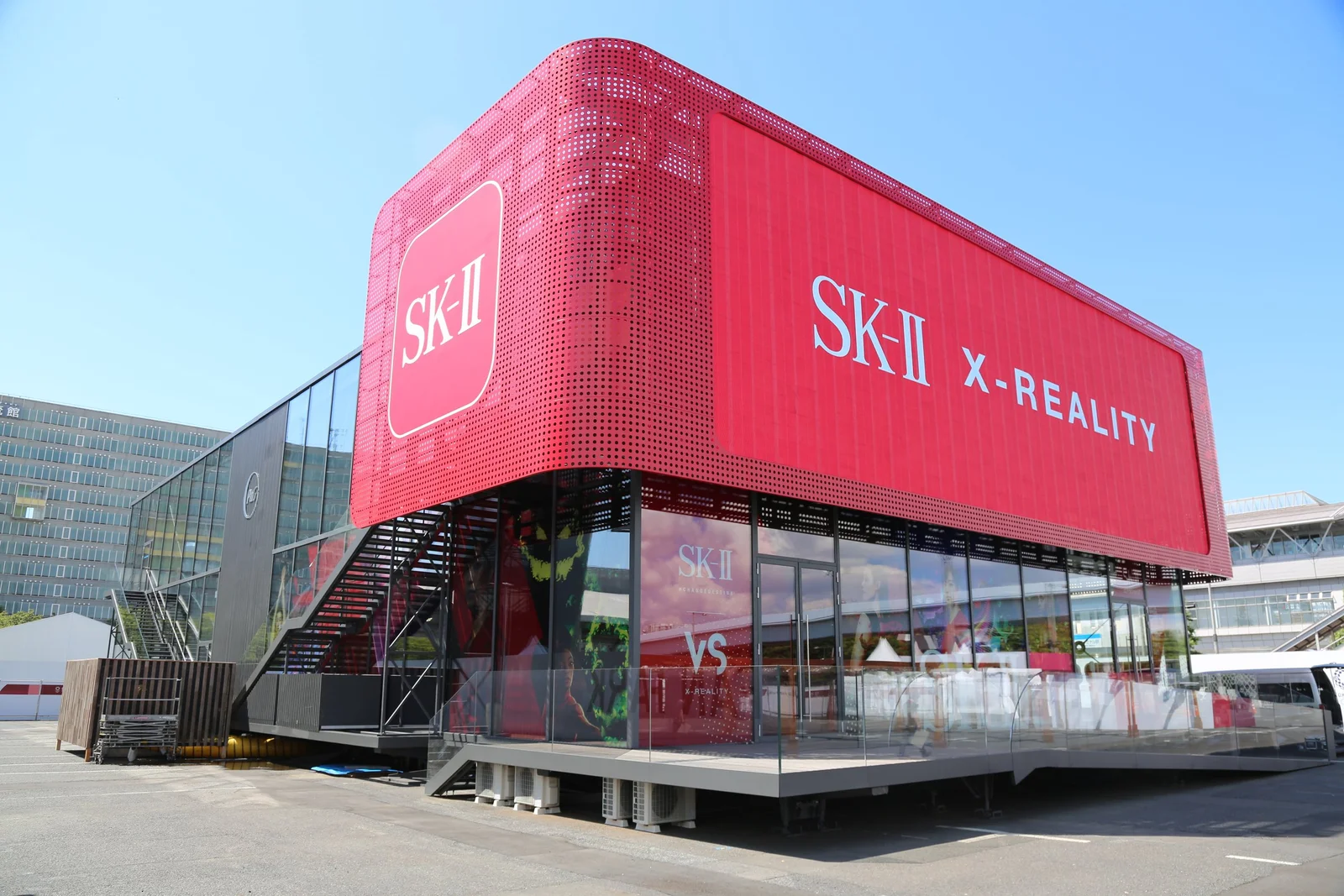
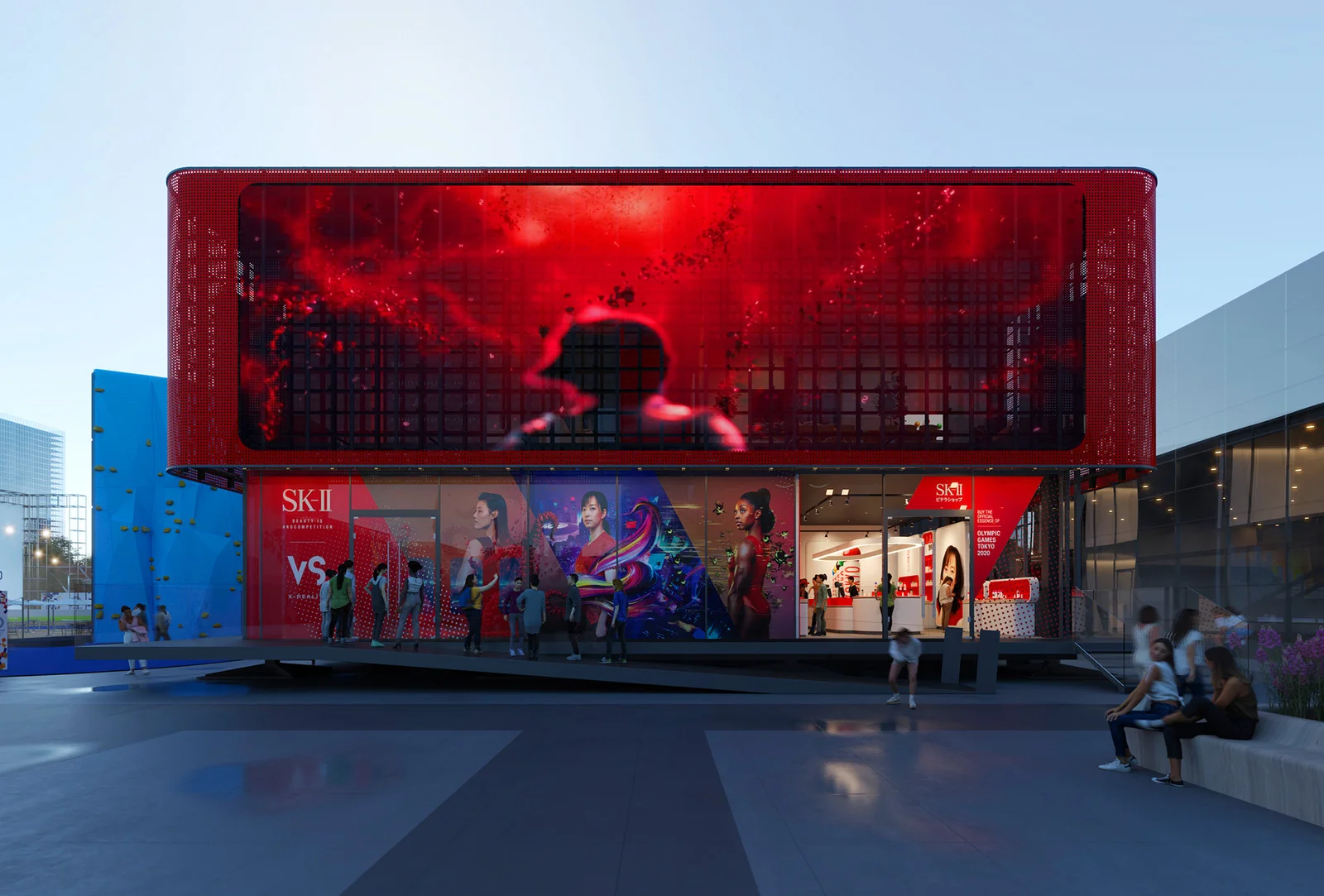
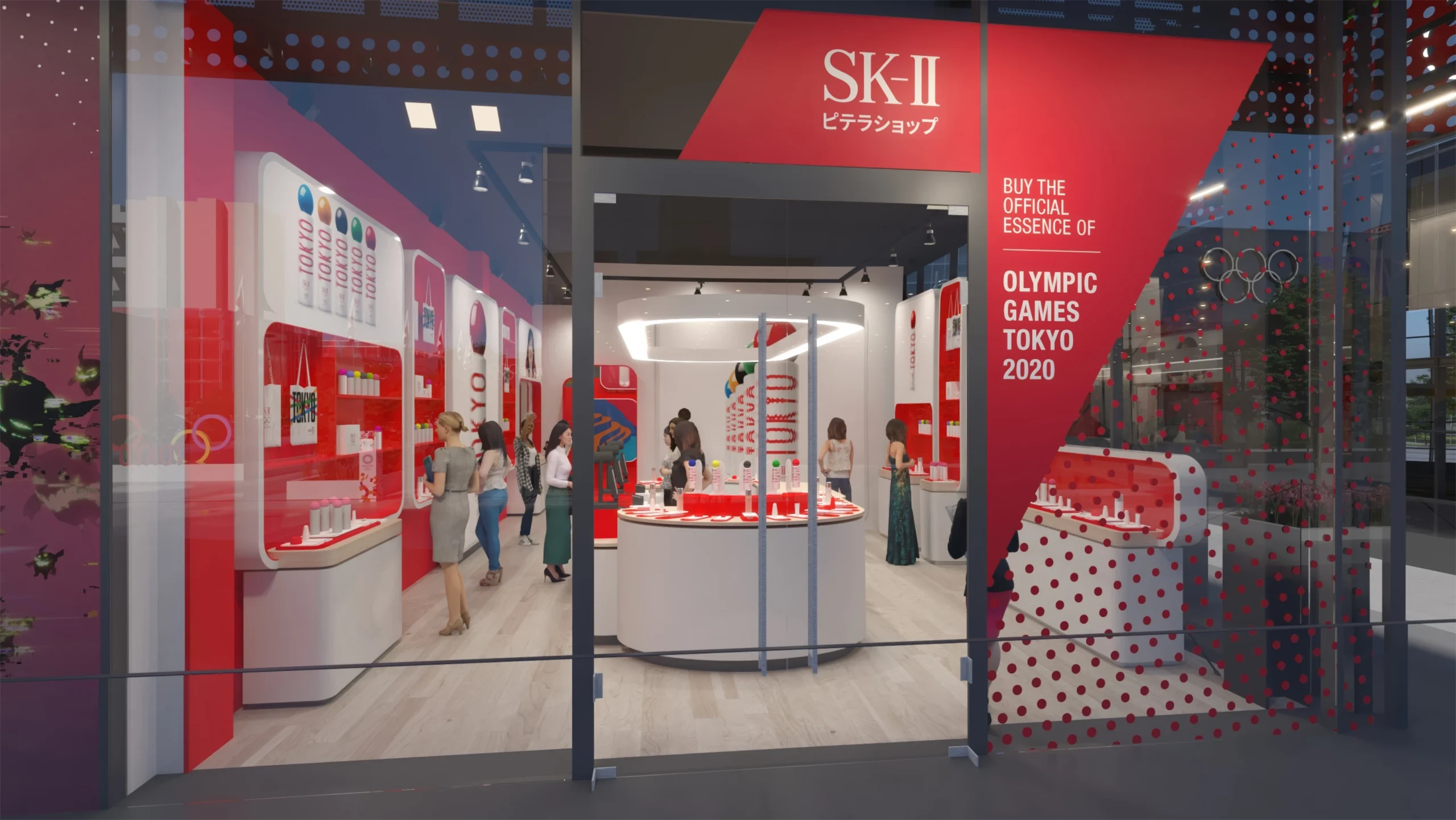
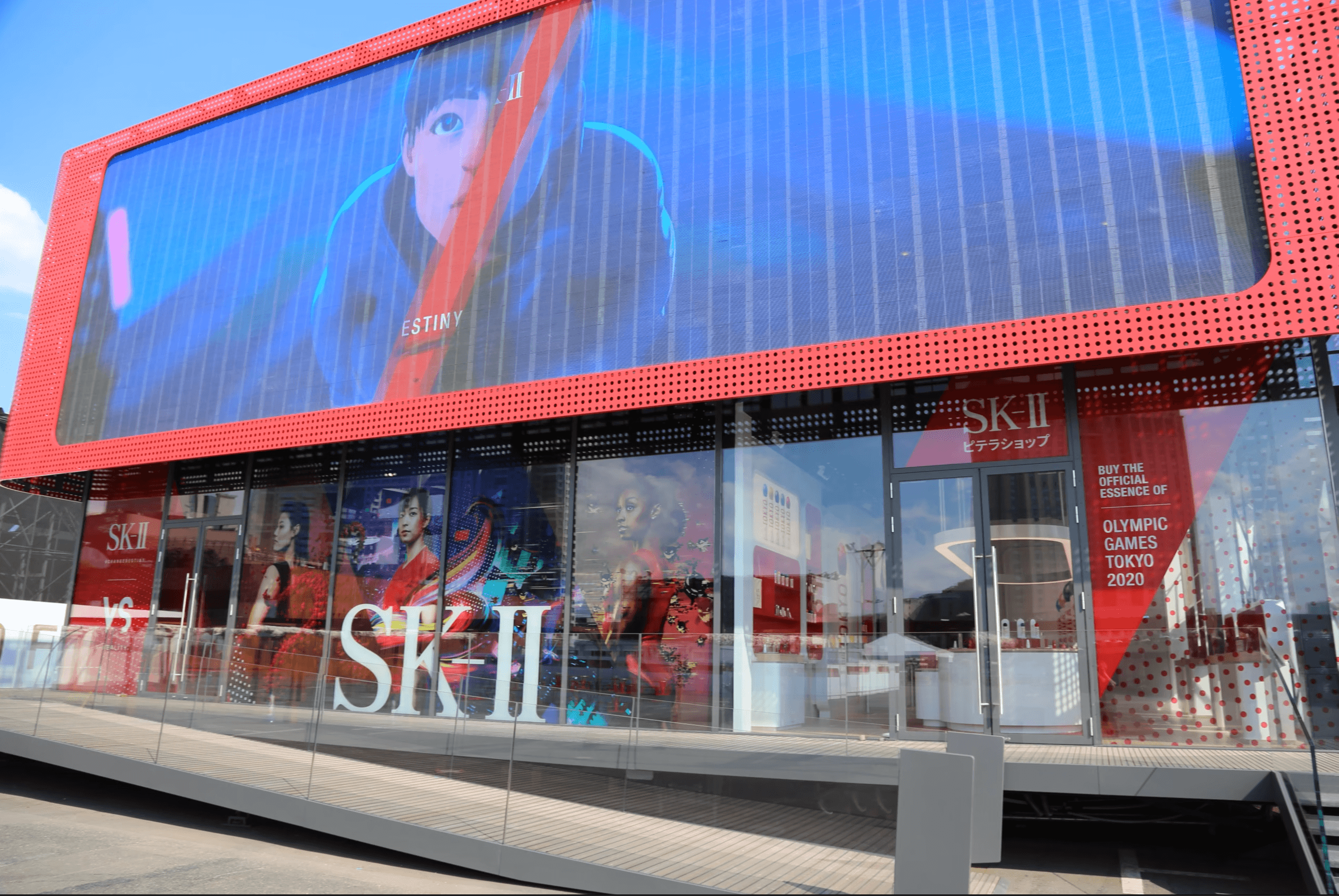
SK-II’s Tokyo Olympics pavilion brought the #NoCompetition campaign to life as an immersive, narrative-led experience. Visitors moved through a sequence of physical sets enhanced by Microsoft HoloLens 2, where animated stories and characters responded to their presence.
The result was not a single “screen-based” product, but a choreographed environment: spatial design, interactive moments, and digital layers working together to guide visitors through the story and ultimately into a retail destination.
I was responsible for the pop up digital look and feel, and the digital experience that made the pavilion feel intuitive end-to-end, especially at the highest-friction moments where visitors could get lost or hesitate.
Year
2020
Company
Huge
Role
Lead designer
Skills
Interaction Design
Visual Design
Design Systems
Video
What shipped
Shipped the end-to-end digital experience for SK-II’s Tokyo Olympics mixed reality pavilion, ensuring the visitor journey stayed clear across multiple touchpoints (mobile onboarding, QR passport, Magic Scan mirror interaction, and headset handoff).
The challenge
Mixed reality in a public space comes with predictable problems:
Visitors are distracted (they are walking, chatting, looking around)
The experience is multi-modal (phone/app, physical staff cues, mirror, headset, environmental screens)
Each step triggers another surface, so small confusion compounds quickly
The system must work for different languages and different comfort levels with tech
Transitions must feel seamless or the “magic” breaks
My design goal was simple, reduce hesitation at every step while keeping the visual direction cohesive across the entire pavilion.
The core experience
As a mixed-reality pop-up, we needed a cohesive visual direction across the entire space while keeping instructions unmistakably clear as visitors moved through it.
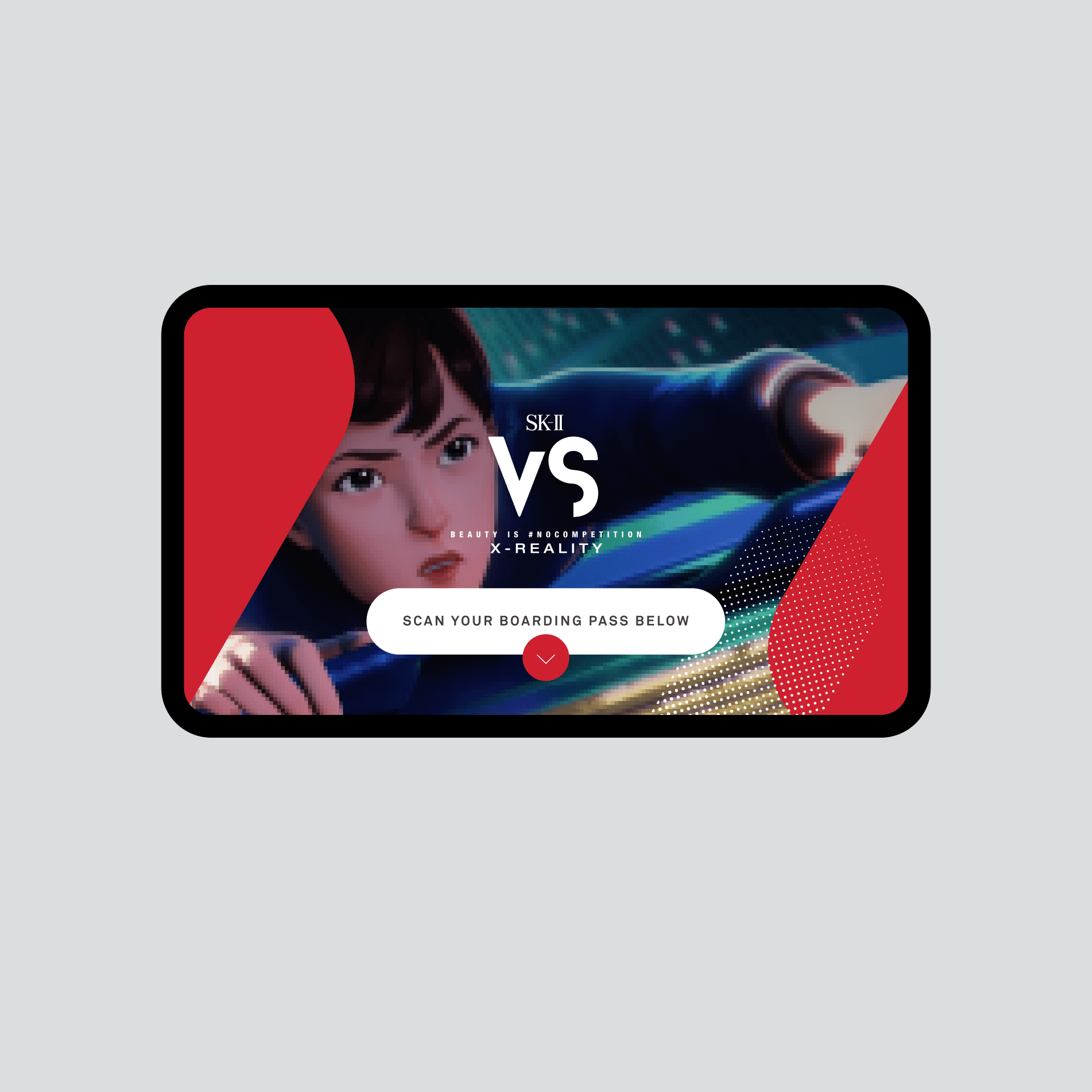
1) Ticketless onboarding that prepares users for a new interaction model
At the start, visitors registered through a custom app and received a printed QR “passport” card. That card became their identity token as they moved through the experience.
This helps set expectations in seconds, aids visitors to confidently move from one touchpoint to the next without relying on staff guidance.
2) Magic Scan as the anchor interaction
Magic Scan anchors the experience: visitors begin at the mirror for skin analysis, then transition into headsets for the X-Reality VR portion. This is where attention control becomes design. People want to look at themselves, look at friends, look around the space, and also follow instructions. The design had to guide gaze without feeling bossy.
I designed the visual cues that guide attention through each step, using clear gaze direction, progressive prompts, and language-agnostic instruction patterns so intent stays obvious regardless of language.
3) Micro-animations, diagrams as constant feedback
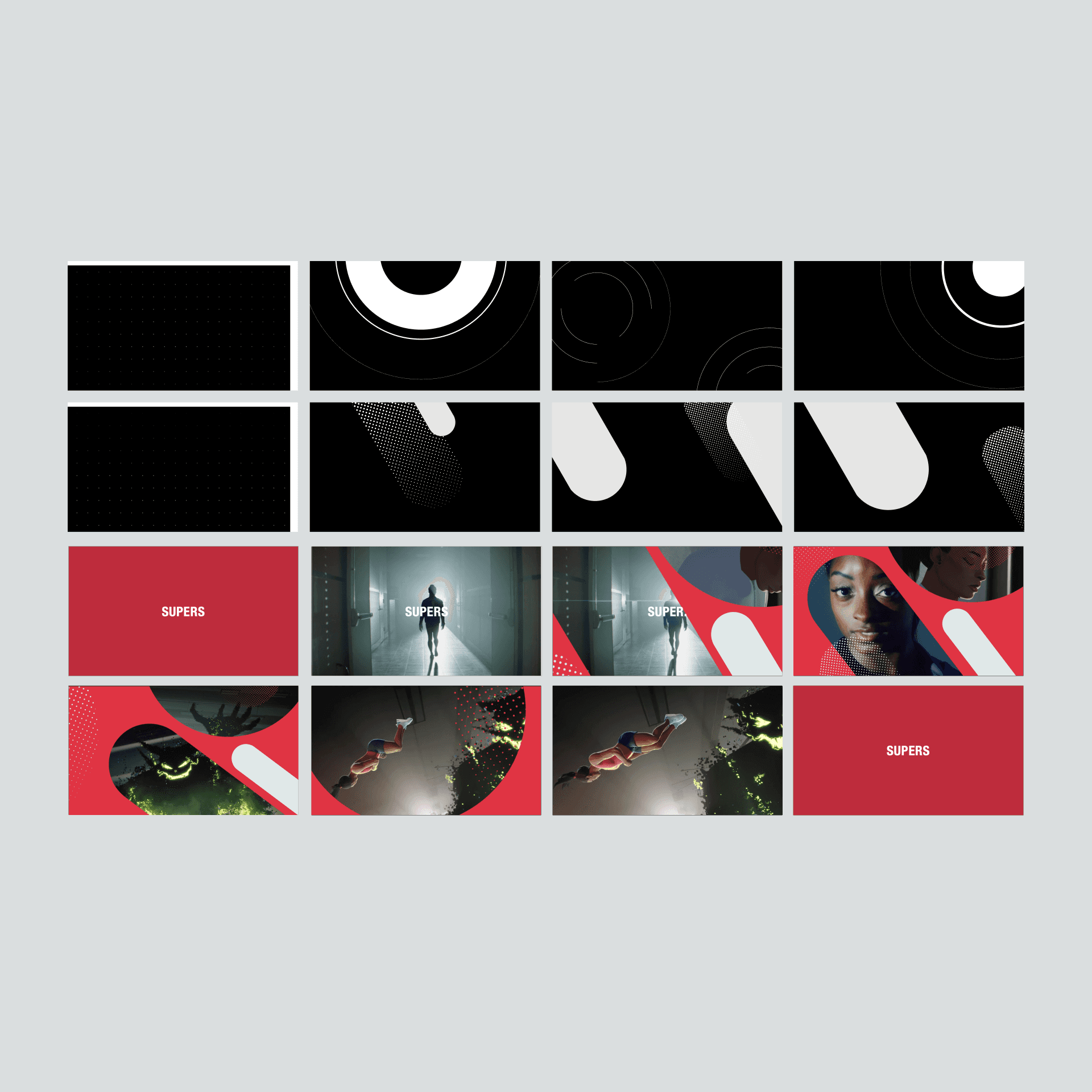
I worked with a motion designer to define an animation language we could use across the pop-up. The outcome was a lightweight motion system built around a video guidance, light and symbols that could be reused across media types.
This mattered because motion became the universal cue: it signaled “the system is working,” “you did it,” and “look here next” even when visitors were not reading.
Design language
I worked with a motion designer to define a consistent animation language for the entire SK-II Olympics campaign. The animation framework had to apply across other aspects of the campaign like video, print collateral as well as the digital touchpoints.
These overlays worked across different media types and could be reused for loading moments, transitions, and ambient screens to keep the experience cohesive and legible throughout.
Outcome
The pavilion delivered a cohesive mixed reality experience where digital layers and physical sets worked together as a single journey, from onboarding through story chapters and into retail.
From my side, the impact was making a complex, multi-step MR experience feel self-guided, language-resilient, and intuitive under real-world distraction.