Interaction design
/
Physical-digital
SK-II Sephora
Improving the SK-II retail experience in Shanghai with proximity-based interaction
Overview
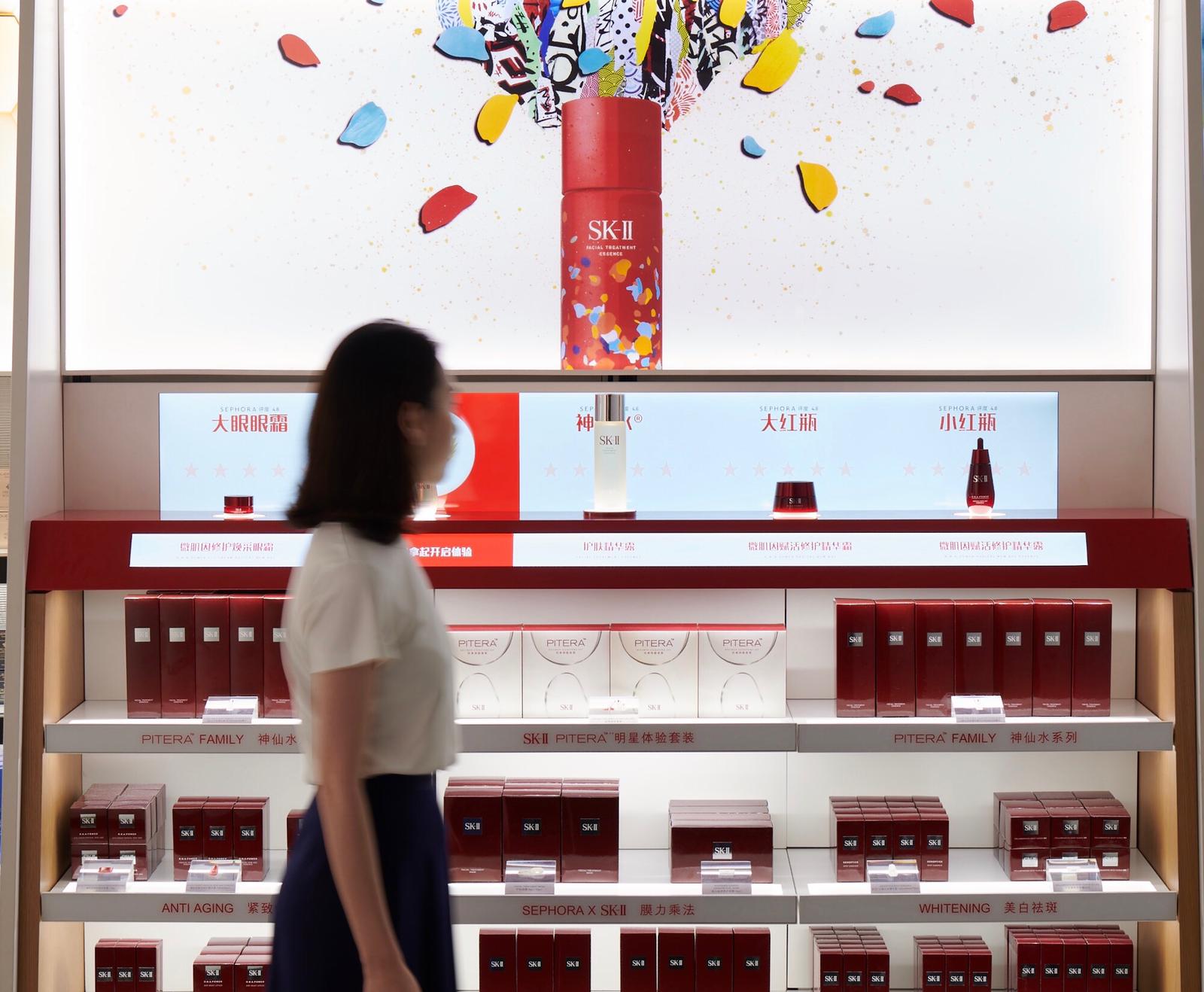
SK-II wanted to increase awareness and conversion inside their physical retail experience. The challenge was to design an experience that works for both single shoppers and groups, keeps them engaged, and nudges them toward purchase.
I worked closely with the UX lead and UX researcher to design and test interaction concepts, then partnered with motion design to build a visual language across states.
Year
2019 - 2020
Company
Huge
Role
Senior Designer
Skills
Interaction Design
User Research
Motion Design
What shipped
Delivered a proximity-driven retail experience for SK-II’s Sephora Shanghai installation, designed to work for both solo shoppers and groups.
Created interaction states and partnered with motion design to establish a consistent visual language across the full customer journey.
The challenge & discovery
Retail skincare is crowded and fast. Shoppers often browse without committing, and groups behave differently than solo shoppers. SK-II needed an experience that could:
pull attention without feeling gimmicky
scale from “glance” to “deep dive”
move from discovery → confidence → purchase
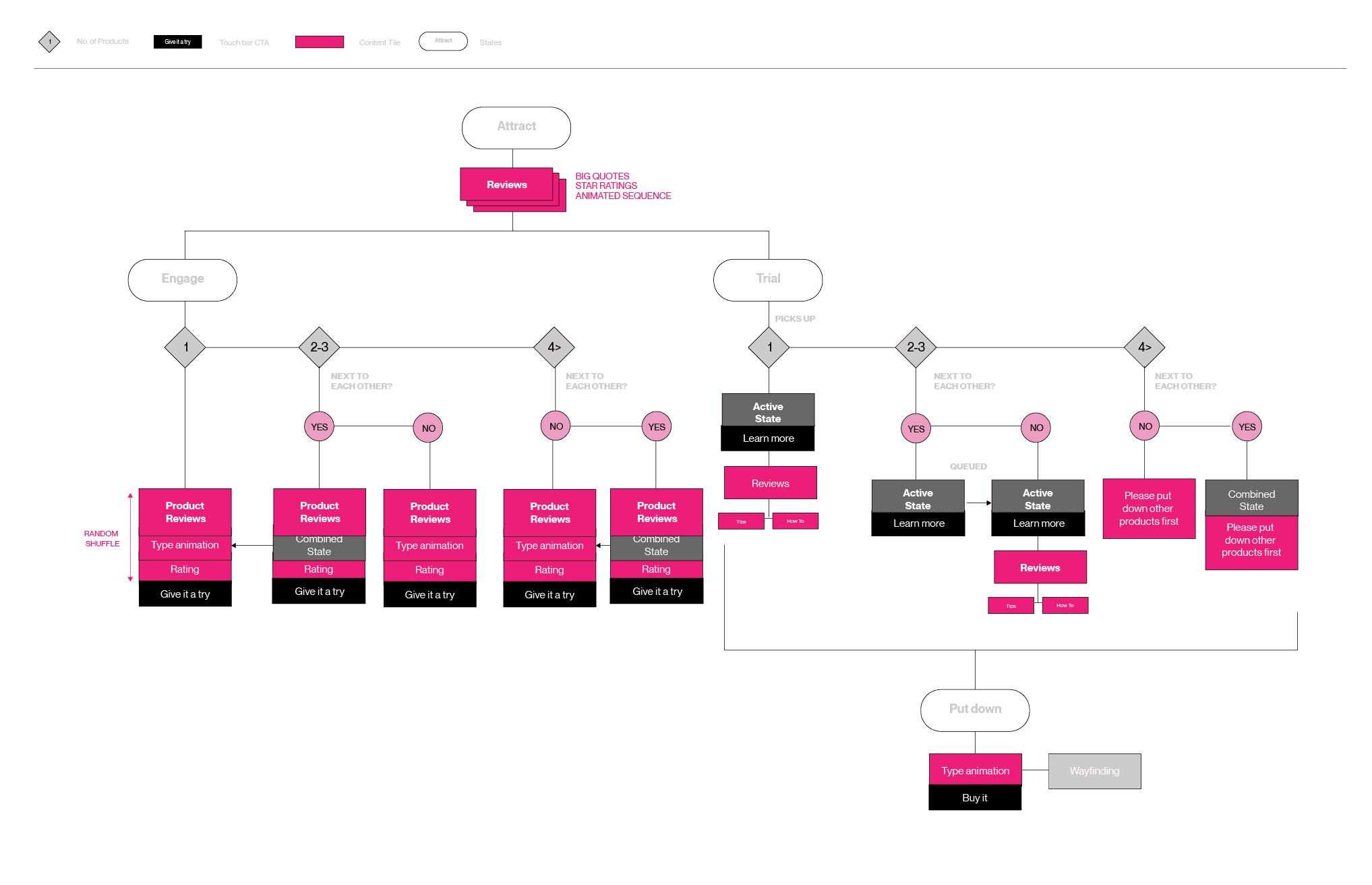
I created a user flow chart to quickly map the various interaction screens
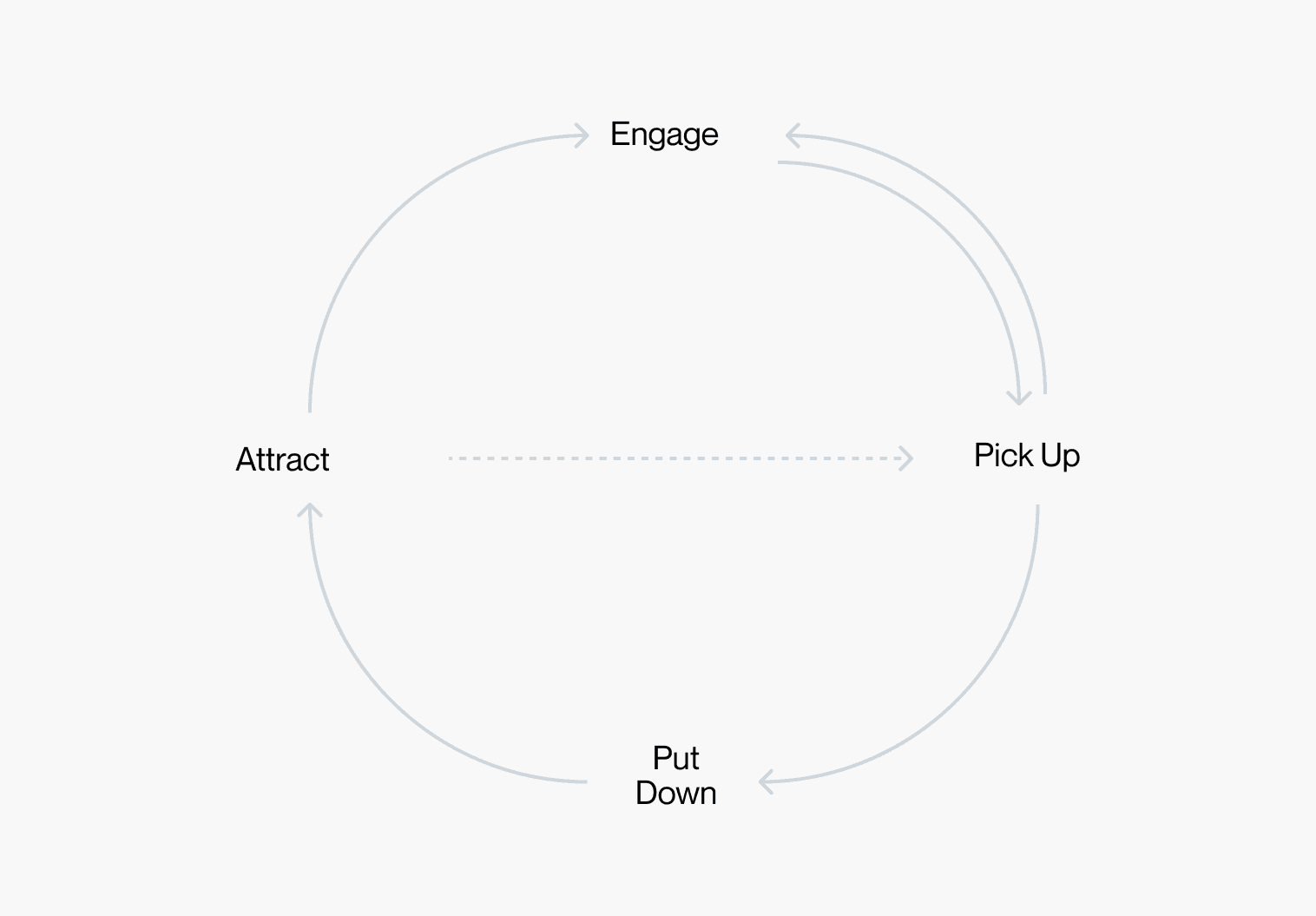
Key moments of the experience
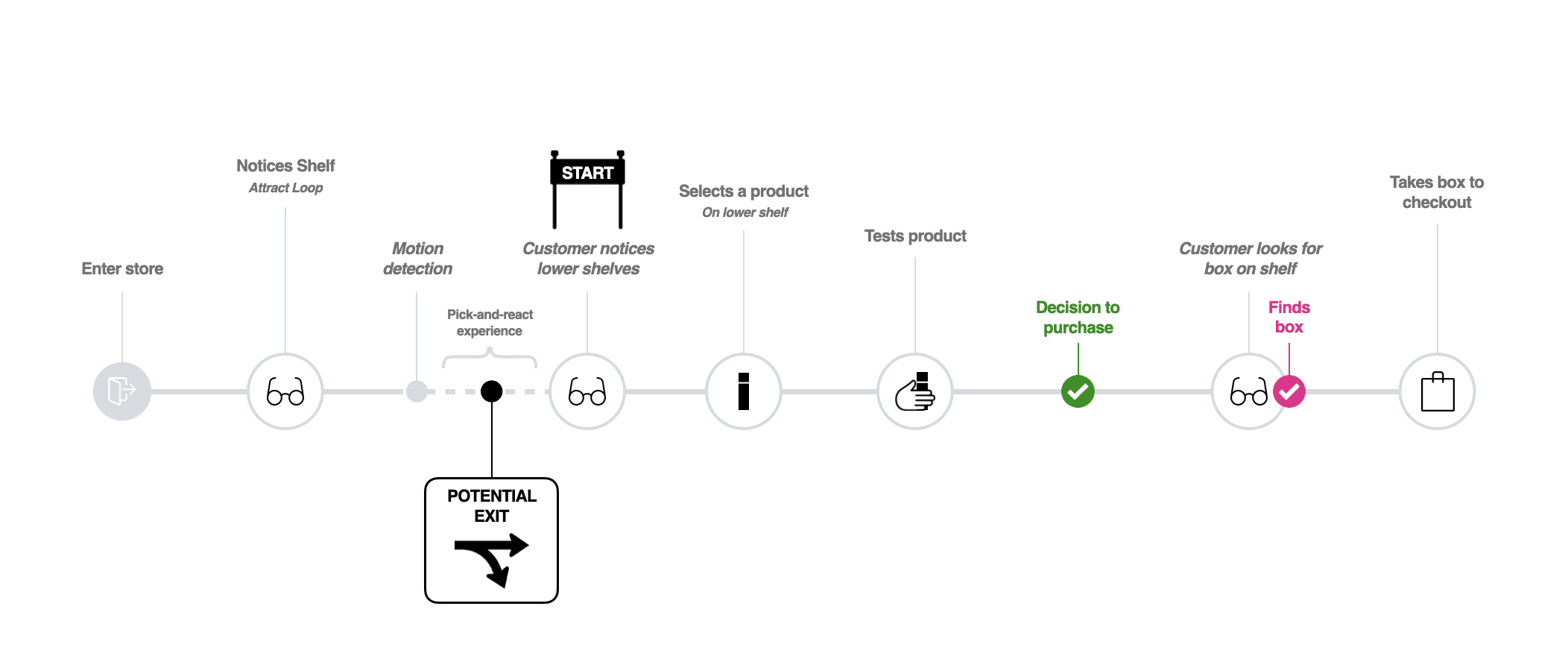
User journey map
Our approach
We defined and tested stages of interaction to create a framework that guides the customer journey. We prototyped from lo-fi paper studies to a high-fidelity working prototype with proximity scanners to learn how users naturally behave around interactive displays.
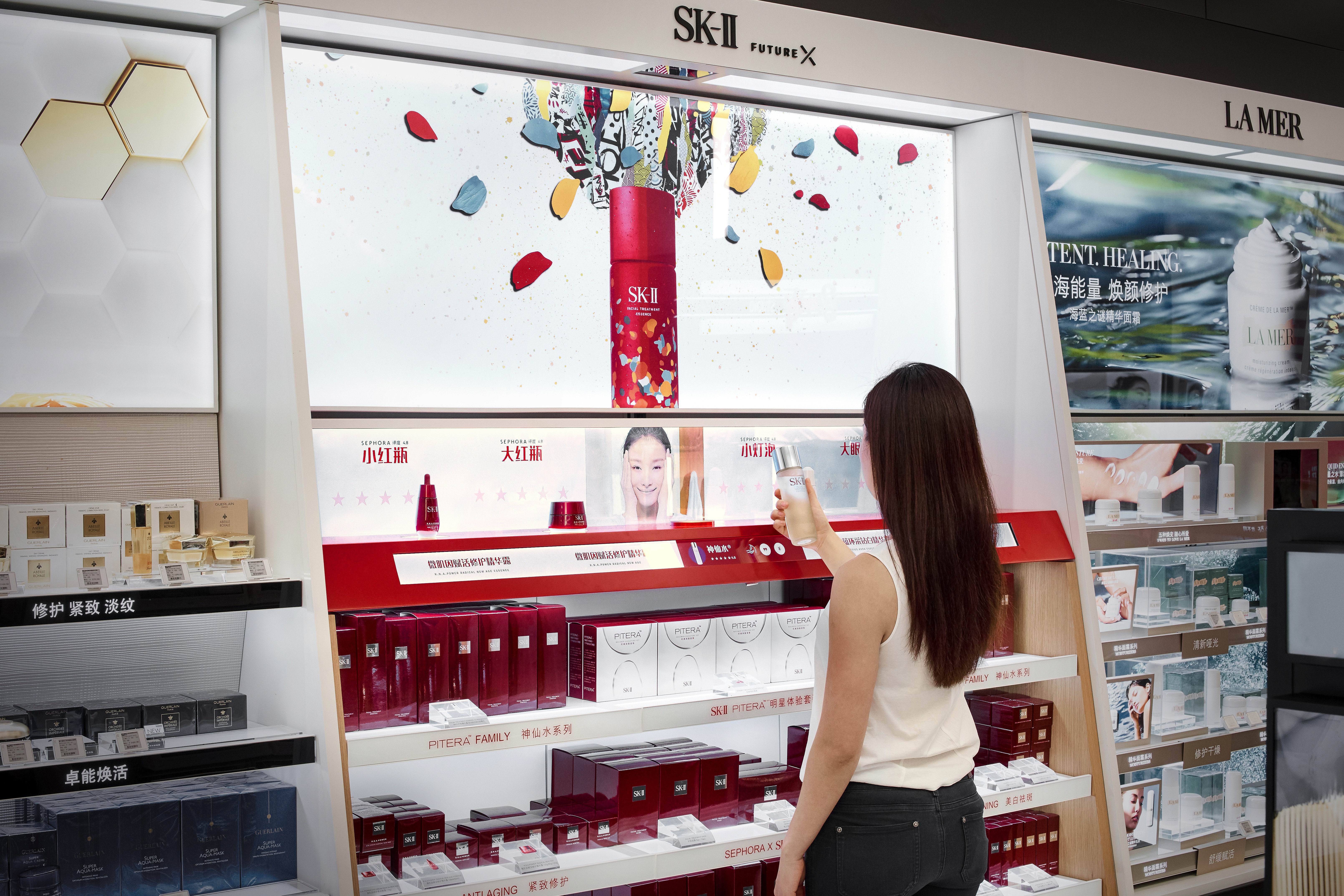
During this phase, we identified the key moments of friction and opportunity at each interaction stage, then translated those findings into clear design decisions that improved the shopper experience. A central idea was hands-free browsing. We designed the interactive bar to let shoppers explore naturally while keeping their attention on the products, not the interface.
Proximity-driven discovery (engage without asking for effort)
The experience responds to proximity sensors, and if a user draws near, it will serve content based on the shopper’s level of intent. I designed clear environmental cues and on-screen prompts so the interaction model is immediately understandable, even for first-time users.
Content that adapts to different shopper intent
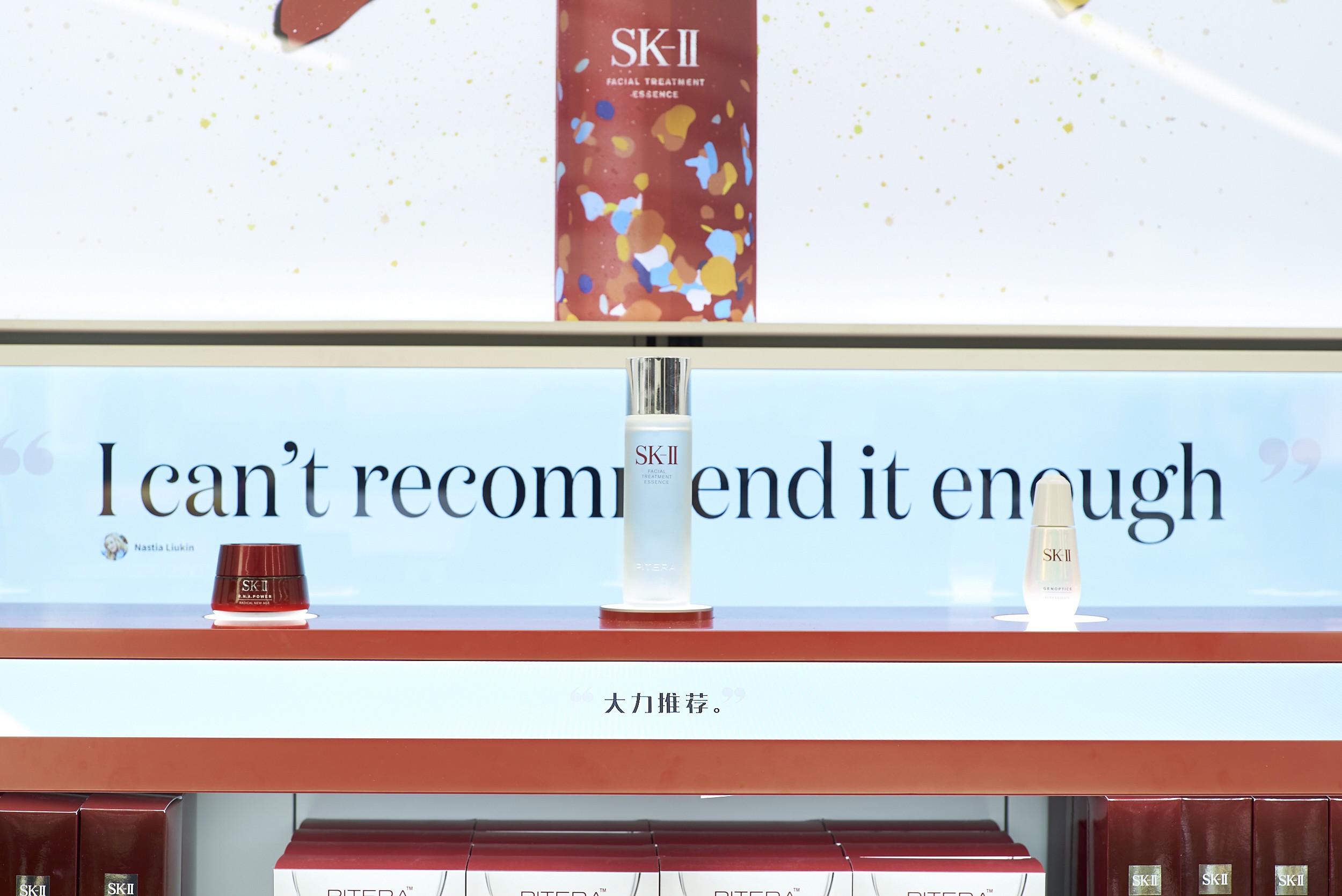
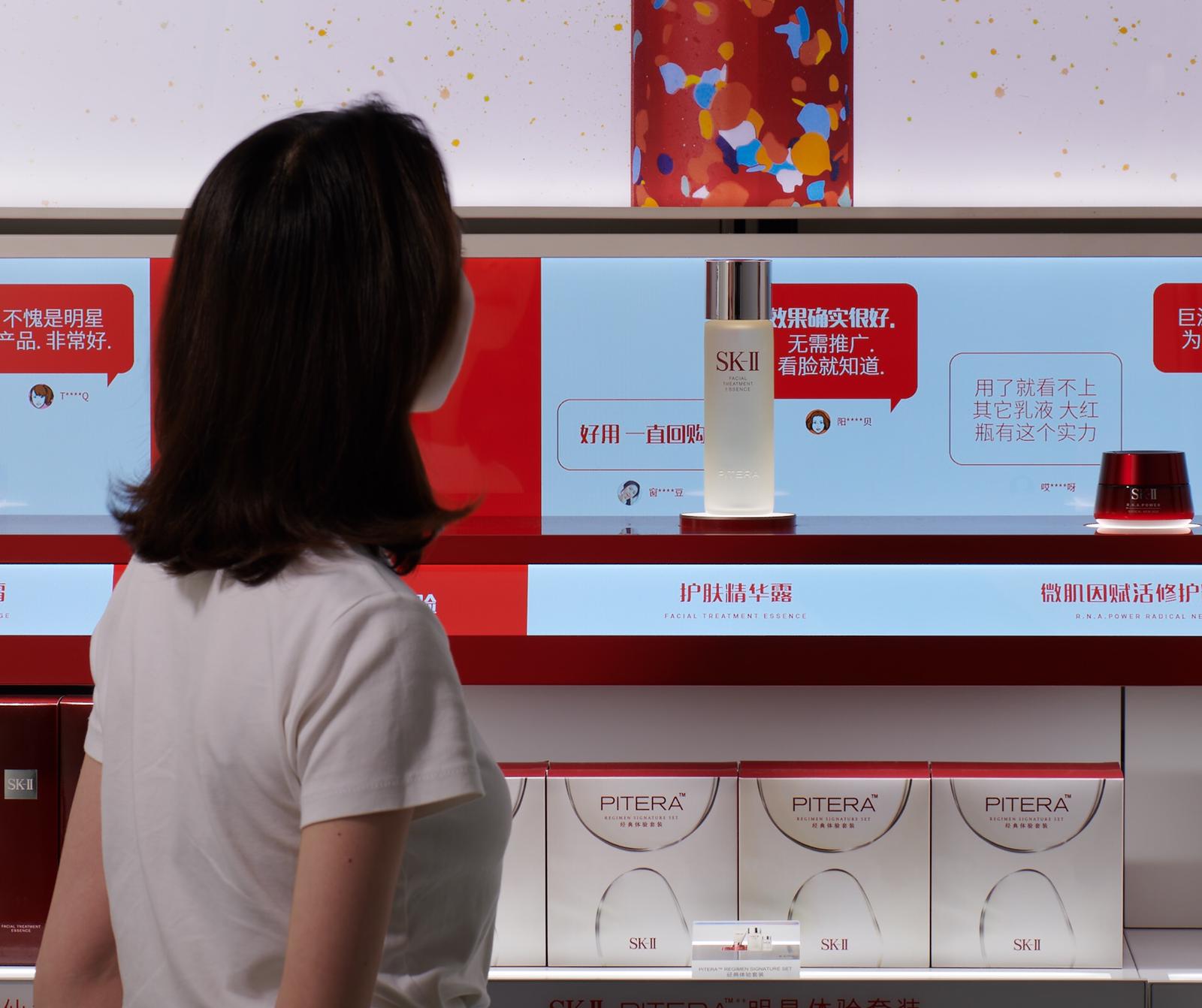
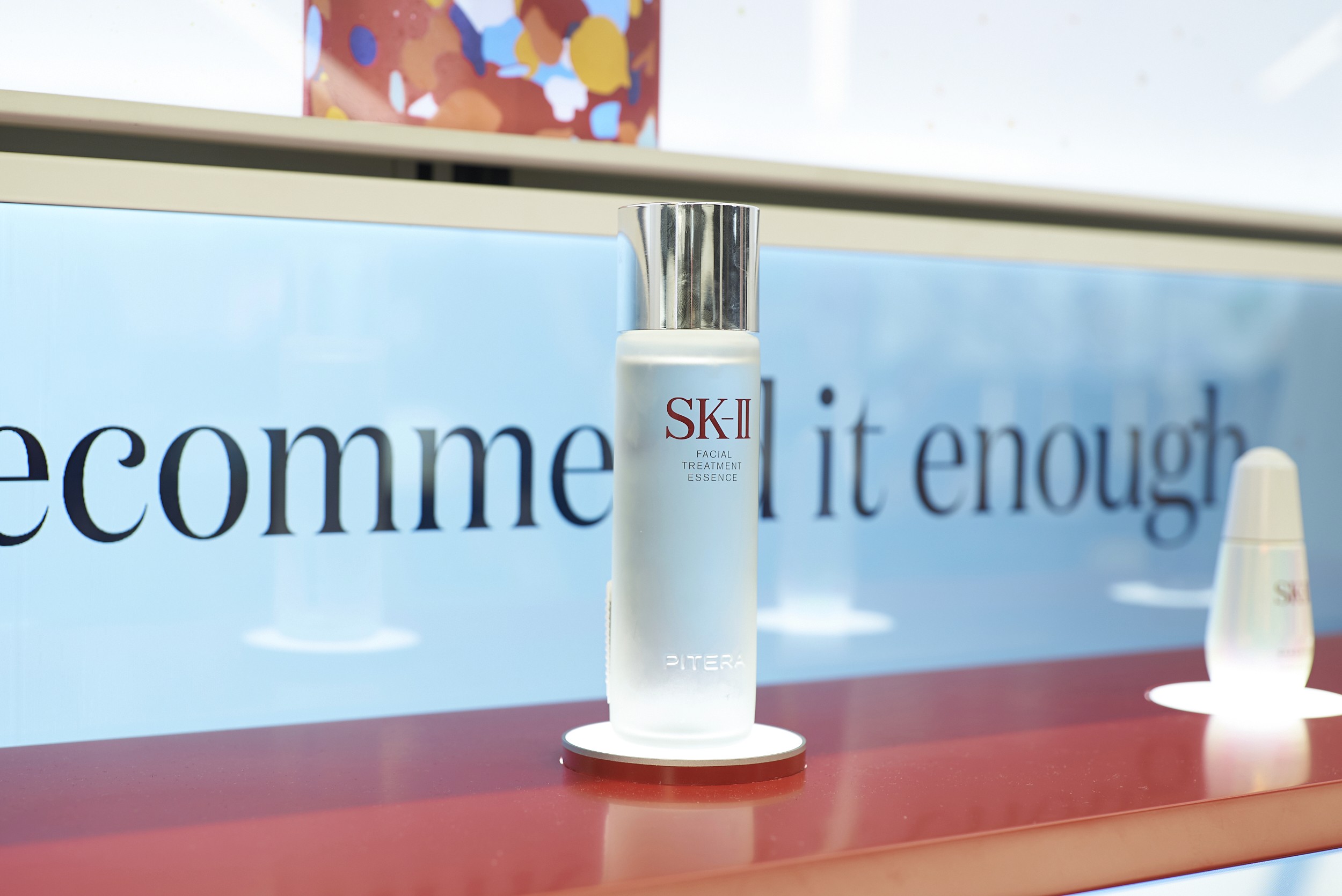
The display serves different content depending on shopper intent, ranging from quick product insights to deeper validation like reviews. Beyond proximity, we also used the product bottles as an interaction signal: when a shopper picked up a bottle, it indicated high intent, and the screen transitioned to show reviews and proof points for that specific product—helping shoppers move from consideration to purchase without needing to tap or search.
Bottom bar interaction
The bottom bar acted as a lightweight navigation layer, letting shoppers browse quick, high-signal content that supports conversion without turning the experience into a “menu.”
When a shopper put a product back down, the system treated it as a natural pause in intent and surfaced a relevant bundle as a final nudge, borrowing familiar e-commerce tactics and translating them into a real-world retail moment.
Design system
I designed the various interaction states for the full journey and developed assets for each moment. I also worked with a motion designer to build a visual language that communicates state changes and progression.
Outcome
We successfully attracted shopper attention and increased product engagement in the physical store. Field study observations showed increased customer interactions with the product display, enhancing both brand awareness and purchase rates.